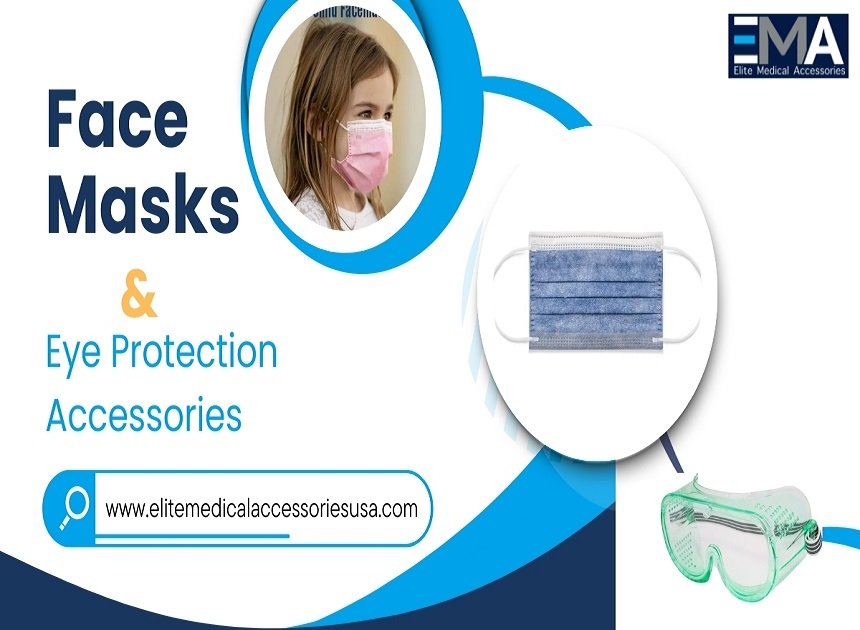
Following the COVID-19 pandemic, concern over airborne illnesses and viruses has increased among people. With getting vaccinated becoming the new norm, face masks and eye protection accessories have become widely popular as well. It was made compulsory to step out of your home wearing one.
But did that really work out? Did people get protection by wearing them? Let’s discuss in this blog whether face masks and eye protection accessories are worth investing in or not.
Why Protection Matters: Understanding the Risk Factors
The mouth, nose, and eyes are primary entry routes for airborne contaminants, viruses, and particles. Respiratory droplets released when one coughs, sneezes, breathes, or even speaks will travel anywhere from a few feet in the air, exposing those around them to infection by influenza, coronavirus, or even infection of the eyes. That barrier ahead of these exposed areas significantly minimizes exposure to harmful particles.
Do Face Masks Work? The Science Behind It
Face masks act as physical barriers that reduce the transmission of droplets. Their effectiveness is based mainly on material, fit, and usage:
- Medical/Surgical Masks – They are very effective at blocking large-particle droplets and splashes. Medical masks protect others from the wearer’s respiratory emissions.
- N95/KN95 Respirators – N95 respirators are rated to filter a minimum of 95% of airborne particles. They provide maximum protection and are typically required during high-risk procedures such as work in a hospital setting.
- Cloth Masks—Cloth masks can be effective, especially multilayered, cloth masks made from a tightly woven fabric.
Face mask accessories work best when they are properly worn, covering both mouth and nose snugly without gaps on the sides.
What About Eye Protection? Is It Necessary?
Eye protection is an essential component, yet it is often overlooked while discussing personal protective equipment. For a variety of germs and irritating particles, the eyes are an entry point:
- Goggles—Create a sealed barrier around the eyes, preventing droplets or small particles from entering.
- Face Shields – Cover the entire face, including eyes, nose, and mouth. When paired with a mask, they become more effective.
- Protective Glasses – Useful for blocking larger particles and splashes, but less effective against aerosol particles.
Scientific studies have documented cases of infection occurring through the mucous membranes of the eyes, reinforcing the need for eye protection in high-risk environments.
Combined Protection for Maximum Safety
To provide maximum protection, combining devices is crucial. Wearing both a properly fitted face mask and eye protection offers a layered defense system. While face masks filter inhaled and exhaled air, eye protection blocks droplets that might otherwise reach the eyes.
Who needs dual protection?
- Healthcare workers
- Lab technicians
- Industrial workers
- People working in crowded indoor environments
- High-risk individuals with weakened immune systems
Correct Usage Is the Game-Changer
When you buy face mask protection, do understand that even the best mask or eye gear can fail if misused. Follow these tips for maximum effectiveness:
Do’s:
- Make sure to wash your hands before putting on or taking off your mask/eyewear.
- For a snug fit, adjust the nosepiece and straps.
- Store reusable masks and eyewear in clean, breathable pouches.
- Disinfect reusable accessories after each use.
Don’ts:
- Don’t touch the front of the mask or eye shield while wearing it.
- Don’t pull your mask down under the chin or let it hang from your ear.
- Don’t wear the same unwashed mask day after day.
- Don’t share personal protective equipment with others.
Different Environments, Different Needs
The type of face mask protection accessories, and eye protection suited to you depends on where you are and what you’re doing:
- Public Transit & Crowded Indoor Areas: Surgical or KN95/N95 masks with protective glasses.
- Outdoor Exercise in Polluted Areas: When exercising outside in polluted areas, consider wearing breathable filtering masks. The activated-carbon filter mask should reduce dust particles, pollen, and other fine particles in the air.
- Hospitals & Healthcare Settings: N95 respirators plus sealed goggles or full face shields.
- Industrial/Construction Sites: Heavy-duty respirators and ANSI-approved impact-resistant goggles.
Common Myths Debunked
- Myth 1: Cloth masks are worthless → Reality: Cloth masks are not medical masks and will never match the level of protection offered by medical masks; however, they do provide a significant reduction in transmission.
- Myth 2: Eye protection isn’t necessary → Reality: The eyes are a pathway for infection. Eye protection is beneficial, particularly in high-risk areas.
- Myth 3: You cannot breathe while wearing a mask.
Reality: Certified masks are designed to provide airflow while not inhibiting oxygen intake.
Are These Accessories Here to Stay? The Future of Personal Protection
As awareness regarding infectious diseases, pollution, and workplace risks increases, the application of personal protective equipment will become increasingly mainstream worldwide. Look out for innovations like:
- Masks with embedded transparent windows for enhanced communication.
- Anti-fog, scratch-resistant goggles.
- Elegant designs with a balance of safety and style.
- Smart masks equipped with sensors.
Final Verdict: Do They Protect You?
The answer to the question “Do face masks and eye protection accessories protect you?” is YES. It has been observed by many that these accessories effectively reduce exposure to airborne diseases and pollutants. But this protection is only possible if they are worn and used correctly. At Elite Medical Accessories USA, we provide high-quality face masks and eye protection accessories that offer a strong line of defense. To get the best results, they should be worn consistently and properly. By investing in our protective accessories, you are taking a proactive step toward safeguarding your long-term health.
Leave a Reply